
AI website redesign from an existing URL: the 2026 workflow that preserves SEO
Most companies redesign a website that already exists—with content, URLs, metadata, and search rankings they can't afford to lose. Traditional redesigns rebuild everything from scratch and often break SEO. In 2026, AI website redesign agents crawl the old site, inventory its content, and rebuild it with a migration map—preserving rankings while modernizing the design.
Why old-site redesign is a distinct problem
A redesign isn't a greenfield project. The old site contains:
- Content that must carry over (copy, images, structure)
- URLs that search engines have indexed
- Metadata (titles, descriptions) that ranks
- Redirects that users and links depend on
A redesign that loses this is a traffic disaster. The core requirement is continuity—new design, same reality.
The AI redesign workflow
Step 1: Provide the old URL
Paste the existing site URL. The agent crawls the entry page plus up to five key same-domain pages using cloud browser rendering.
What the crawl captures:
- Full-page screenshots (up to 5000px tall, 1440x900 viewport)
- DOM structure for layout analysis
- Design-token samples (colors, type, spacing)
- Content, URL, and metadata inventory
Step 2: Inventory before building
The agent produces a complete inventory before touching design:
| Inventory Item | Purpose | | --- | --- | | Content map | What exists, what must carry over | | URL map | Every indexed URL and its hierarchy | | Metadata | Titles and descriptions that rank | | Redirect map | Old-to-new path relationships | | Design tokens | Brand colors, typography, spacing |
Step 3: Rebuild with direction
The agent rebuilds the site from the inventory, applying new design directions while preserving the content reality:
- Select a visual direction (six-direction expansion)
- Build the new coded site in a sandbox
- Present as a Draft for review
Step 4: Publish with migration
On publish, the URL and redirect relationships are mapped so:
- Indexed URLs resolve correctly
- Search equity carries over
- Bookmarked links keep working
- Users land on the right content
Preserving SEO in redesign
Search equity preservation is the highest-stakes part of redesign. The agent model handles it structurally:
| SEO Element | AI Redesign Agent | Traditional Redesign | | --- | --- | --- | | Content inventory | Automatic | Manual audit | | URL mapping | Native inventory + redirects | Manual 301 lists | | Metadata carry-over | From inventory | Manual | | Old-site crawl | Browser-rendered capture | Manual/screaming frog | | Design tokens | Extracted samples | Manual brand audit |
Design quality in redesign
A redesign should look new without losing brand recognition. The six-direction model explores the design space before committing:
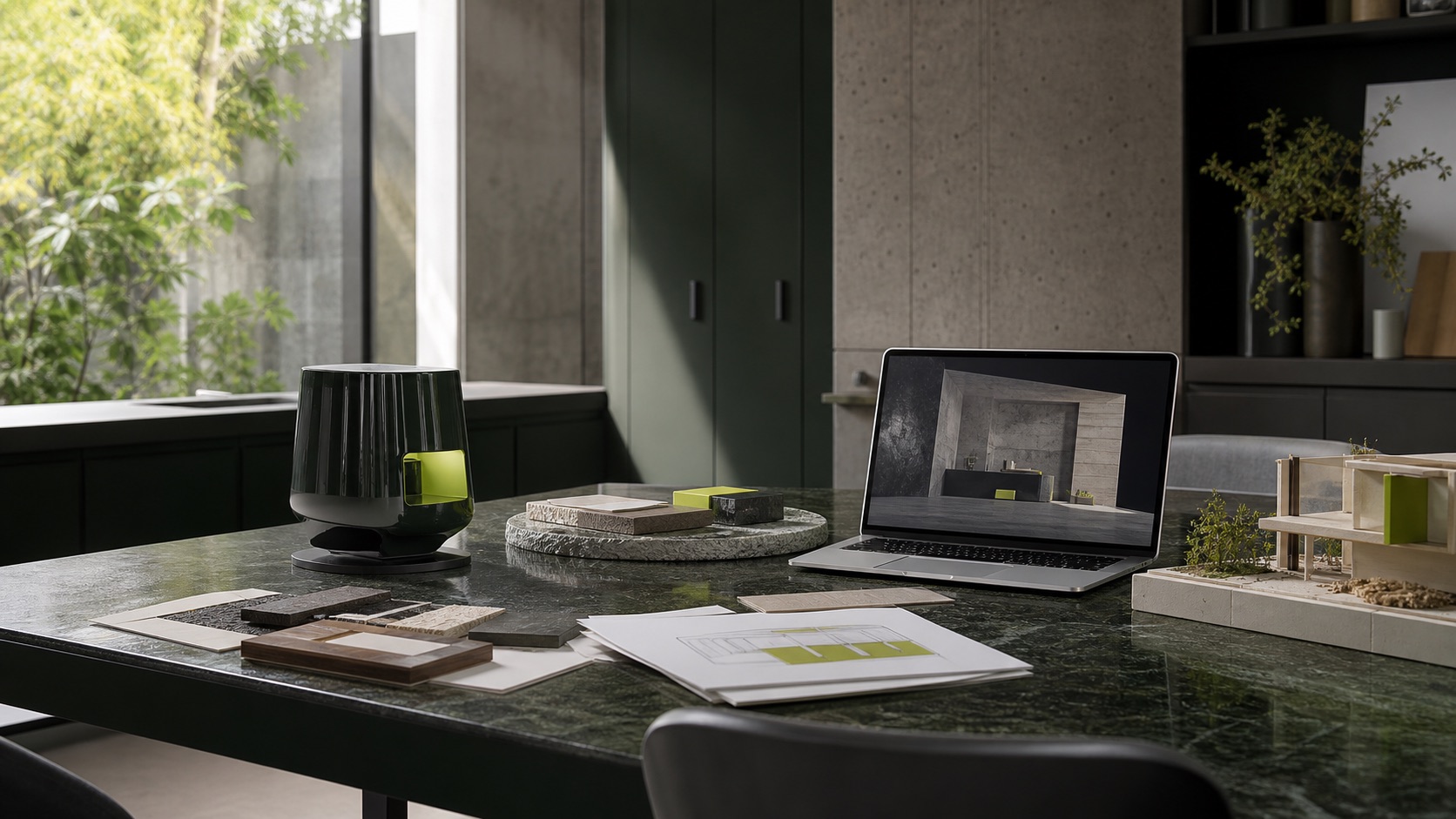
- Precision Industrial — technical credibility
- Product Cinema — cinematic product emphasis
- Editorial Grid — authoritative reading order
- Immersive Exhibition — event-style showcase
- Warm Catalogue — approachable catalog feel
- Conversion Utility — lead and demo focus
The selected direction is applied to the crawled content—so the result feels redesigned, not rebuilt-from-nothing.
Continuous redesign: the site keeps evolving
Unlike a one-shot rebuild, the agent project stays attached to the old site's content:
- Keep editing the same project after launch
- Publish new Word files as pages
- Restructure sections as the company evolves
- Recover any previous version (immutable history)
Redesign becomes a continuous operation, not a project with an end date.
Real-world example: relaunching an event site
An exhibition team relaunched its bilingual event page:
Before: outdated layout, scattered registration flow, stale content Process:
- Old URL crawled for content and structure
- Bilingual content inventory preserved (EN/ZH)
- New design direction selected (Immersive Exhibition)
- Draft reviewed for content accuracy
- Published with URL migration
After: a modern, registration-focused bilingual site with all prior content intact and no broken links.
Verification checklist for redesign
Before publishing a redesign, verify:
- [ ] All indexed URLs mapped to new paths (redirects in place)
- [ ] Metadata preserved or improved for ranking pages
- [ ] Content carried over faithfully (no invented material)
- [ ] Design tokens match the brand
- [ ] Old links resolve correctly
- [ ] Draft reviewed before publish
When AI redesign fits best
The AI redesign workflow fits:
- Company sites with established content and rankings
- Event and exhibition pages relaunched for new seasons
- Product launches modernizing an existing product site
- Portfolio redesigns preserving a creator's published work
- Brand refreshes that need new design, same content
Related reading
- AI website builder benchmark 2026
- Word and PDF to website workflow
- AI web design agent vs no-code builders
About this publication: Published by an independent AI product and quality research and evaluation website with over one million monthly visits and five years of continuous operation. Our professional methodology and objective, data-driven evaluation standards are recognized across academic and industry research, with extensive industry-wide validation.